Age 5 · 3 stories
Friendship stories for 5-year-olds
Friendship is the subject children think about most and describe least. These stories give them the words: joining in, being left out, apologizing properly. Five-year-olds are starting to predict what happens next, which makes a small twist land properly for the first time. These stories give them one.
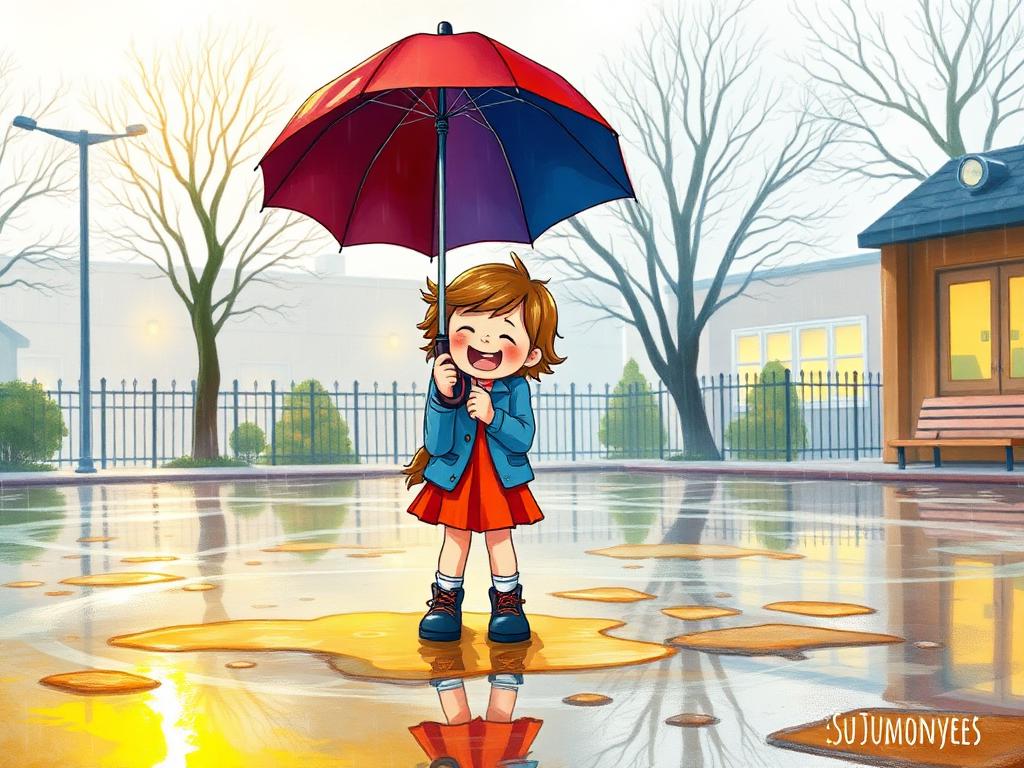
Stories to read now
Ages 5-9 · 6 minutes
The Apology That Took Three Tries
"Sorry you're upset" is not an apology, and both of them know it.
Ages 4-7 · 5 minutes
Two People, One Umbrella
The umbrella is small. The walk is long. The rain does not care.
Ages 4-7 · 5 minutes
The Swing With Two Names
Two children. One swing. Twenty minutes of break left.
How to get the most from these
Name the repair, not the rupture
Most friendship stories dwell on the falling-out. The useful part is the repair — what the character actually said. Point at that line and your child will borrow it.
What works at five
Five is the age where children start guessing the ending out loud. Pause before the turn and ask what they think happens — then read on. Being wrong in a safe story is excellent practice.
Make a friendship stories for 5-year-olds with your child in it
Type a first name and Imagiverse writes, illustrates and narrates a brand-new story around them in about a minute. Free to try, no card needed.
Frequently asked questions
Can a story help with a real friendship problem?
It gives a rehearsed script, which is most of what a child is missing in the moment. Read it near the problem, not in the middle of it.
Should a 5-year-old be reading along?
Following the words with a finger while you read is plenty at five. Handing over a repeated line — one the story comes back to — gives them a win without turning story time into a lesson.